The Pandemic Triggers Cases of Anorexia and Bulimia
The COVID-19 pandemic is a health and social time bomb. Its arrival and long duration is either a trigger for mental disorders in vulnerable people or an aggravating factor of previous situations in some cases.
For eating disorders (ED), such as anorexia nervosa, bulimia nervosa, or binge eating disorders, it remains to be unknown what the impact is, but it affects children, adolescents, and adults at high risk. On the one hand, because of their physical condition, which can make them more vulnerable to the disease, and on the other hand, because of the difficulties associated with lockdown: uncertainty, anxiety, lack of control, boredom, isolation or loss of routine.
Different professionals of the ED units in Spain agree on reporting an increase in cases that reach these units, many of them severe, and that have not been attended to since the primary care, because of the difficulty of access to community devices during the lockdown and because of some fear of contagion.
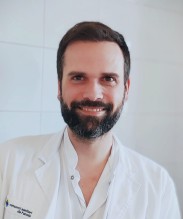
At the digital meeting, 'COVID-19 and eating disorders' moderated by Dr. Eduard Serrano, coordinator of the ED unit of the Sant Joan de Déu Barcelona Hospital, we have been able to compare different experiences from a professional point of view and also with the eyes of the affected people and families.
Dr. Montserrat Graell, coordinator of the ACT unit of the Hospital Niño Jesús de Madrid, Dr. Fernando Fernández, coordinator of the ED unit of the Hospital de Bellvitge in Barcelona and Sara Bujalance, director of the Associacio contra l’Anorèxia i la Bulímia (ACAB).
Dr. Graell highlighted in her speech how COVID-19 has affected children and adolescents, especially vulnerable ones, as well as their families, who are also facing difficult social and economic situations that are also affecting. the parental model. The psychiatrist has wanted to highlight the influence that social networks have had on children and youth with symptoms of anorexia nervosa, bulimia nervosa, or binge disorders, especially with the explosion of contents to do home exercises and healthy food that, while it has been 'very positive in general terms' it has been a trigger for these people.
Dr. Graell has also taken advantage of the meeting to point out the difficulty that the population has had in accessing primary and community care facilities. A lack of attention has worsened the situation in many emerging cases.
Dr. Fernando Fernández has begun his intervention by reflecting on how this pandemic has tested everyone and how it has had to deal with situations that no one had anticipated. From the experience of the UTCA in the hospital of Bellvitge, Dr. Fernando Fernández explained that people with anorexia nervosa symptoms have, in his opinion, been the ones who have had 'the most difficulty in adapting to the uncertainty of the situation'. A pilot study was conducted at the Bellvitge Hopsital for the first two weeks of lockdown. In this study, most patients with EDs had concerns about increased uncertainties in their lives such as the risk of COVID-19 infection of themselves or people close to them, the negative impact on their work, and their treatment. Almost 38% (12 out of 32) reported deficiencies in their symptoms and 56,2% (18 out of 32) reported additional anxiety symptoms, of which four patients noticed that stress made it difficult for them to control their behaviour and emotional wellbeing.
For Sara Bujalance, director of ACAB, that awareness of the need to ask for help is one of the things that have happened during the pandemic among adults with eating disorders. During the months of lockdown, this association tripled their demands for family information over the same period last year. From summer to now, the figure is double compared to 2019. This data gives an idea of the spread of cases and the need for information about what is happening.
You can watch the whole digital meeting here: COVID-19 and eating disorders
Fotografia: Ariadna Creus y Àngel García | Banc d'Imatges Infermeres