A project promoted by the centres in the Orden Hospitalaria de San Juan de Dios
360º Vision
A global, cross-disciplinary vision
Empowering
The power of knowledge over our decisions
Service oriented
If it helps you, it helps us all
Interdisciplinary
A mosaic of experts
Co-created
A great team for a great project
2n Premi Joan Corbella de Comunicació en Salut Mental–Societat Catalana de Psiquiatria i Salut Mental. 2024
Digital Health Literacy Pioneers of the Year 2025–GHP News Mental Health Care & Compassion Excellence Award 2025.
IV Premio de la Plataforma de Organizaciones de Pacientes (POP) –Educación en salud - 2025
Awareness
Accompaniment
Empowerment
Information
Training
We insist that people are the centre of health and social care and must have accurate, evidence-based information that empowers them to make decisions on their own health and emotional well-being.

SOM Member organisations:











Mental health is everyone’s concern
Teamwork and mutual trust to face the challenges of mental health.
Con la colaboración de más de 900 expertos interdisciplinares
Dr. Montserrat Esquerda Aresté

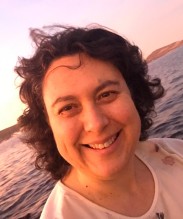
Yolanda Osorio López



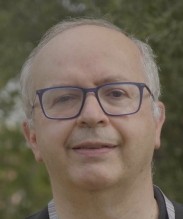



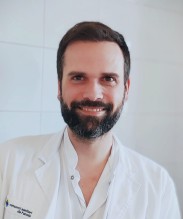




Daniel Toro-Pérez


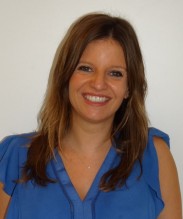

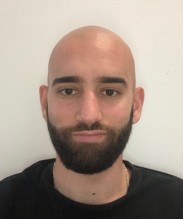


Ares Sentenach Carbó
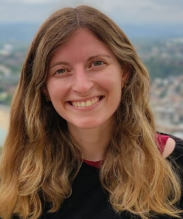





Marta Oliu Gavañach




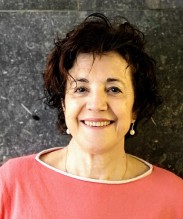

Balma Soraya Hernández Moscoso

Mercè Torrentallé Rocaspana



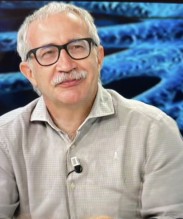


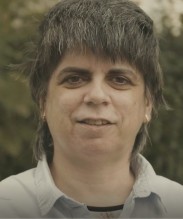

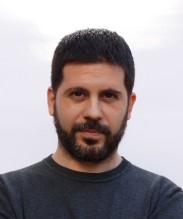
Dr. Francisco Villar Cabeza


We share knowledge and experience in mental health out of a commitment to quality, rigour, innovation and ethics
-
Ask the expert
-

Digital meetings
-

First-hand accounts
-

Articles
-

Monographs
-

Interviews and debates
-

Multimedia materials
-

Surveys

Check 2023's executive summary


SOM puts people at the centre, seeing them as social beings; it is inclusive and defends human rights
Estamos comprometidos con los objetivos de desarrollo sostenible.







Did you find SOM Mental Health 360º of interest? Would you like to add your voice to the project?
Contact us